

Key Solutions for Optimizing the Zinc Phosphating Process
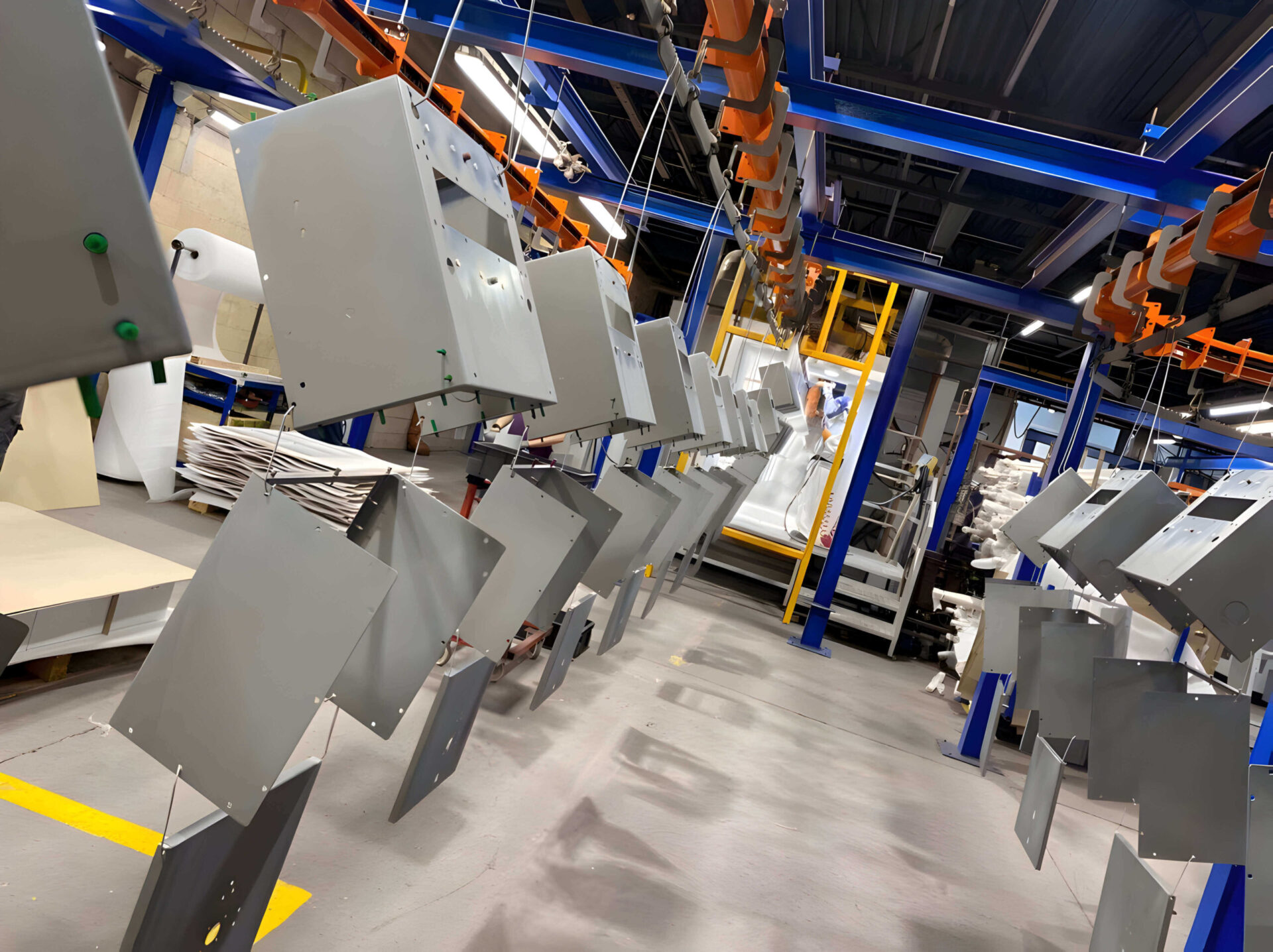
Zinc Phosphating Process
So far, we have become familiar with the types of zinc phosphate coatings,
and have examined their compositions, differences, applications, and advantages. Now, we intend to focus on important approaches to optimizing the zinc phosphating process, which can sometimes be the key to solving challenges encountered in industrial applications.
The zinc phosphating process involves numerous parameters and details. Optimally adjusting and controlling these factors can improve coating quality while reducing chemical consumption and costs. The following are some important approaches for optimizing the zinc phosphating process:
Precise Control of Bath Composition and Chemical Parameters
Continuous monitoring of the concentration of phosphoric acid, metal ions, and the ratio of free acid (FA) to total acid (TA) in the bath is essential. The appropriate TA/FA ratio must be maintained within a specified range to ensure that the bath has the desired coating capability. The bath acidity (pH) is generally maintained at around 5; an excessive decrease in pH (excessive acidity) can significantly increase the corrosion rate and lead to improper coating formation and sludge generation, while an increase in pH may cause coating formation to stop.
Therefore, periodic bath analysis and controlled addition of acid or adjusters to maintain the chemical composition within the optimal range are highly important. Using automated dosing systems to add acid and accelerator based on consumption (for example, per batch of processed parts) can help maintain bath stability and achieve consistent results.
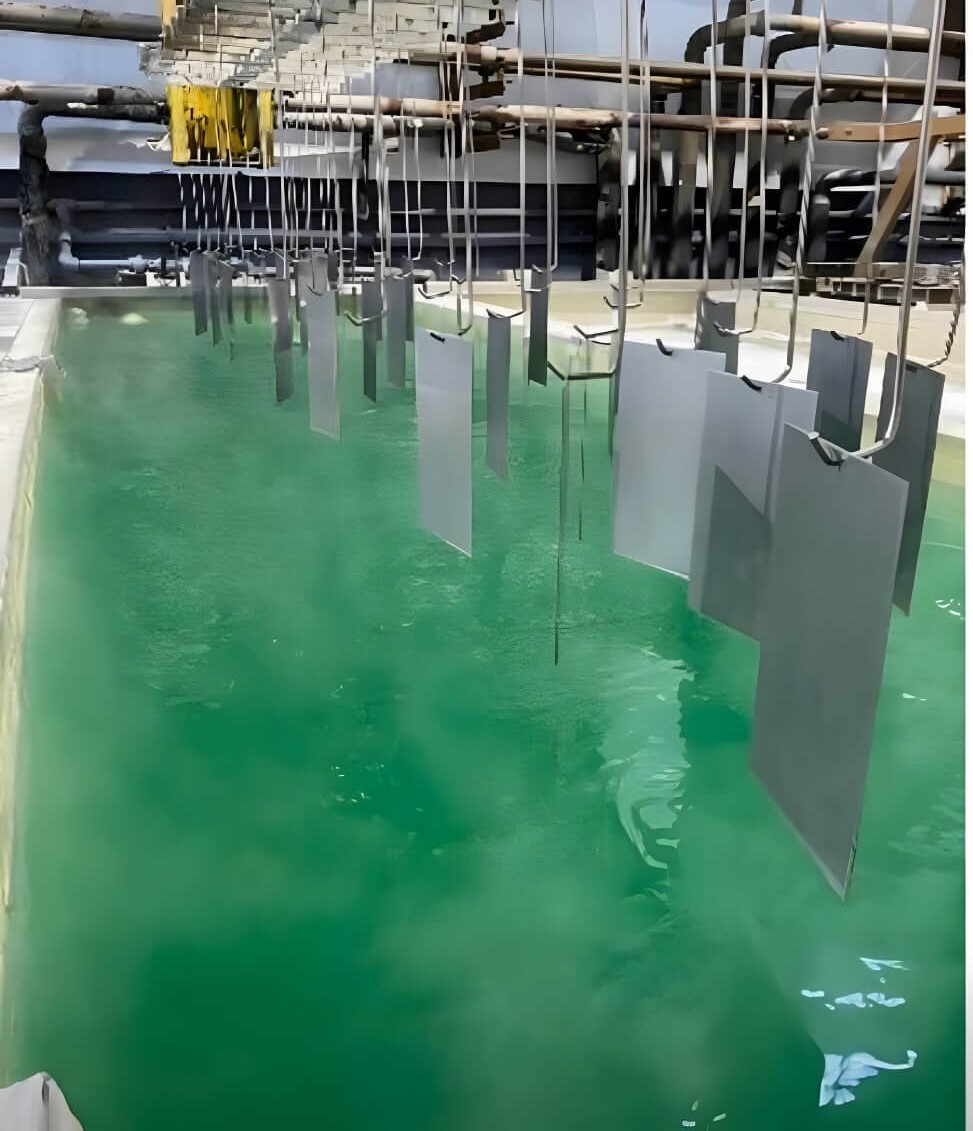
Optimization of the Zinc Phosphating Process
Temperature and Process Time Management
The temperature of the phosphating bath has a significant effect on the reaction rate and coating structure. Most zinc phosphating processes are carried out at approximately 50 to 60°C. Increasing the temperature increases the coating rate but also increases material consumption and may increase the likelihood of forming larger crystals.
Modern tricationic processes are capable of producing suitable coatings even at room temperature (25–30°C), although the coating time may be slightly longer.
In general, it is recommended to operate the process at the lowest possible temperature that provides the required properties in order to reduce energy costs. On the other hand, the immersion time of the parts in the bath must be optimized. Insufficient time results in incomplete and thin coatings, while excessive time not only fails to improve the coating but may also lead to redissolution of the coating and material waste.
Typically, a time of 2 to 5 minutes for spraying and a maximum of 5 to 10 minutes for immersion is recommended (depending on the bath temperature). It is preferable to determine the minimum time required for complete coating through coupon testing and avoid keeping the parts in the bath longer than necessary.
Cleaning Pretreatment and Activation
A good phosphate coating requires a surface free of grease, rust, and contaminants. Therefore, before phosphating, cleaning stages including degreasing (alkaline or solvent-based), rust removal (acid pickling), and rinsing must be carried out carefully.
Any remaining grease or rust can prevent uniform contact between the acid and the metal, leaving some areas uncoated.
As mentioned earlier, surface activation using solutions containing lead phosphate powder or titanate before phosphating also helps the formation of fine and uniform crystals.
Adjusting the concentration and temperature of the activation solution (usually at room temperature), as well as the contact time (a few seconds), is important for creating optimal nucleation sites. With proper activation, the resulting phosphate coating will have a uniform crystal structure and higher density, which translates into better resistance.
Proper Use of Accelerators
Adding an accelerator to the phosphating bath is essential for controlling the reaction rate and improving coating quality.
Accelerators such as sodium nitrite, sodium chlorate, or peroxides control the hydrogen gas generated on the surface and oxidize by-products, preventing the formation of coarse crystals and reducing the time required to achieve complete coating.
The amount of accelerator must be maintained within a specified range; insufficient accelerator causes unnecessary process slowdown and the formation of coarse crystalline coatings, while excessive addition can make the bath unstable or corrosive.
For example, low nitrite levels can result in dark and non-uniform coatings, while excessive nitrite may itself be converted into nitrate sludge. Therefore, the supplier’s instructions should be followed, and the accelerator concentration in the bath should be checked regularly.
Typically, when the coating rate decreases or the coating structure becomes coarser than usual, it is time to add fresh accelerator solution to the bath.
Zinc Phosphating
Reducing Sludge and Excess Deposits
The formation of phosphate sludge (insoluble deposits consisting of iron and zinc phosphates) in the bath is an unavoidable phenomenon that can reduce coating efficiency. Excessive sludge accumulation can contaminate parts, reduce the effective ions in the bath, and even clog spray nozzles.
Approaches for sludge management include continuous bath settling and filtration, using tank designs with sloped bottoms and sludge drain valves, or employing multi-stage modular baths.
Tricationic coatings generally produce softer and lower amounts of sludge due to their optimized formulations, but periodic tank draining and cleaning (for example, every few weeks depending on production volume) is nevertheless necessary.
Preventing contaminants such as chloride ions and interfering metals from entering the bath is also effective in reducing unwanted deposits. Deionized water can be used for solution preparation and rinsing to minimize the introduction of unnecessary ions.
Using New Technologies and Materials to Optimize the Zinc Phosphating Process
Recent advances in coating chemistry have helped make phosphating processes more environmentally compatible and cost-effective.
For example, the development of nano-phosphates or phosphate-free thin coatings (such as zirconium-based coatings) has attracted attention as an alternative to conventional phosphating processes.
These coatings generally operate at room temperature and require short processing times, creating an extremely thin layer (on the nanometer scale) of protective compounds on the metal that can provide properties close to those of conventional phosphating. Although they may not yet offer fully equivalent performance in all applications, they can significantly reduce chemical consumption and sludge generation in specific applications.
In addition, equipping phosphating lines with solution-recovery systems (such as zinc recovery from spent baths) and using two-stage spray rinsing instead of immersion rinsing are other approaches to reducing material consumption and optimizing the process.
Training line operators is also important. Operators who understand the sensitivities of the process can continuously adjust operating conditions and record the results of each batch, helping prevent quality problems and allowing them to take prompt corrective action when abnormal trends are observed (such as changes in coating color or increased sludge formation).
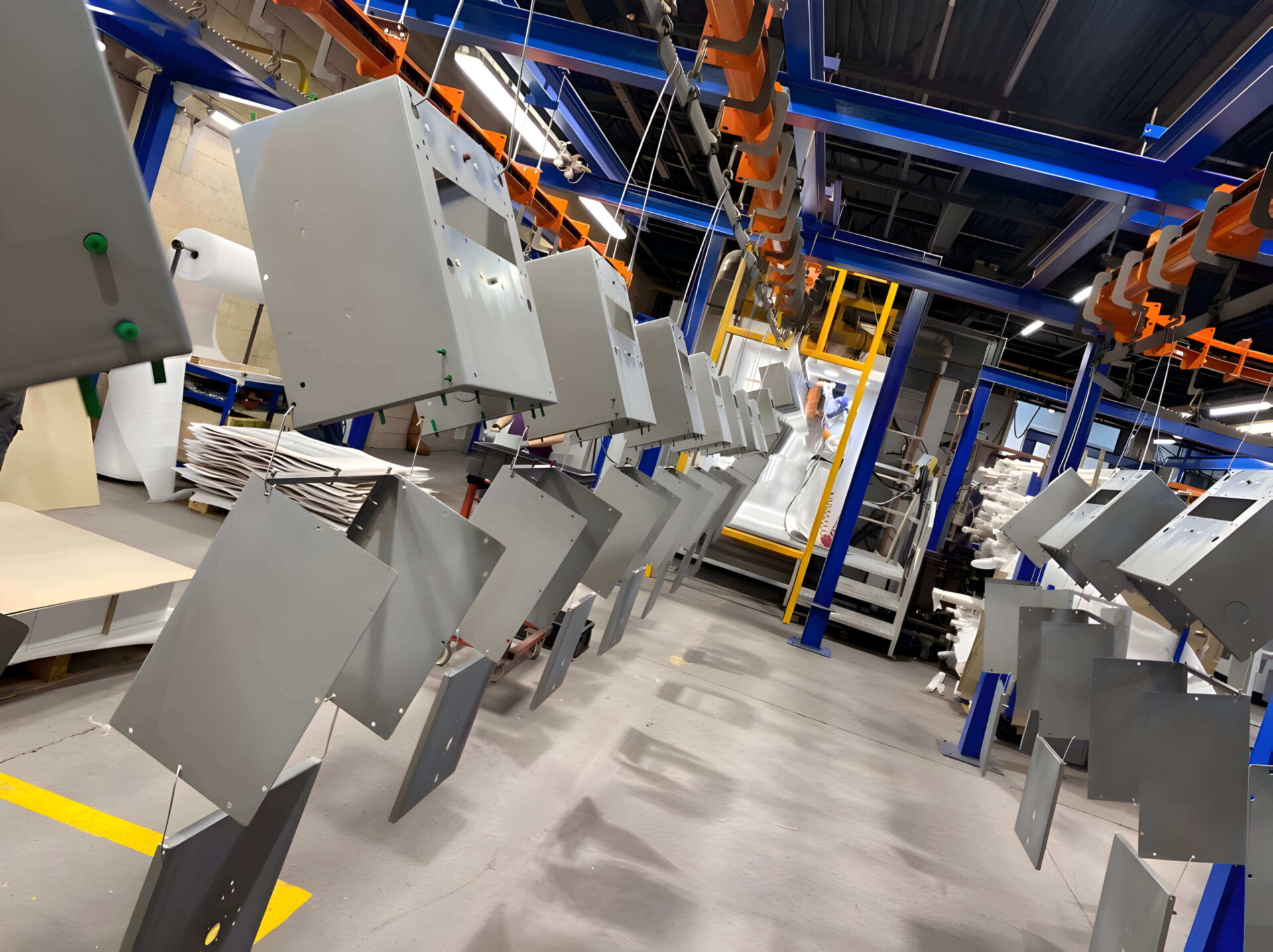
Optimization of the Zinc Phosphating Process
In the next article, you can read about Comparison of Zinc Phosphating with Other Surface Preparation Methods Zinc Phosphating with Other Surface Preparation Methods را مطالعه فرمائید.
For more information about FYP Zinc Phosphate Products you can visit the page.


No comment for this post.