

How Can Manganese Phosphating Be Used to Create More Professional and Distinctive Coatings?
Introduction
Phosphate coatings are among the most widely used methods for protecting metal surfaces in various industries. Among the different types of phosphate coatings, manganese phosphate holds a special position in industry due to its unique properties and wide range of applications. By forming a crystalline layer of manganese phosphate compounds on the metal surface, this coating improves resistance to corrosion and wear and enhances adhesion.
In this article, we provide a comprehensive overview of manganese phosphate coatings, their application methods, properties, applications, and benefits across various industries.
What Is the Manganese Phosphating Process?
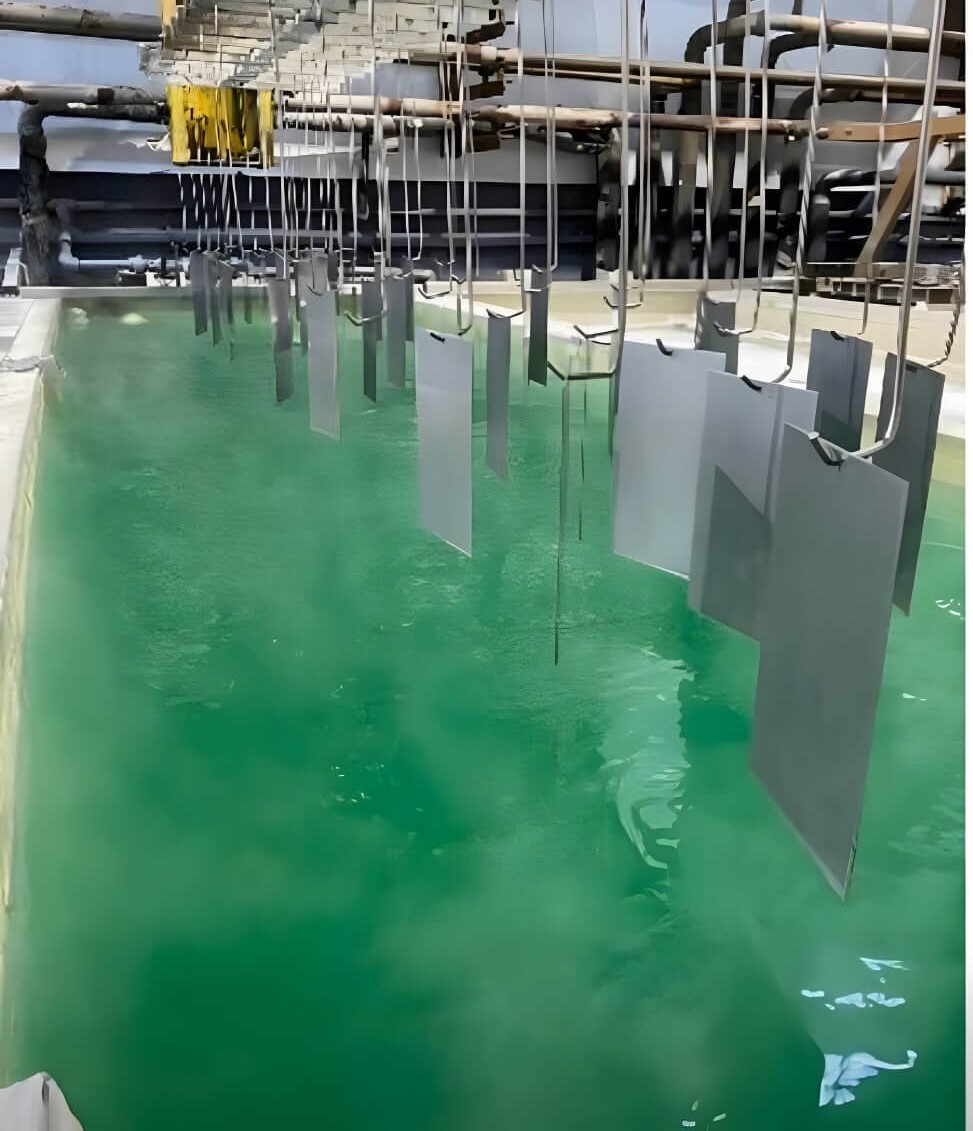
Manganese phosphating is a chemical surface conversion process in which a layer of manganese phosphate crystals is formed on the metal surface, particularly on steel and cast iron. This process occurs through a chemical reaction between the metal surface and a solution containing phosphoric acid and manganese compounds.
Main Stages of the Manganese Phosphating Process:
- 1. Degreasing and Cleaning: First, the metal surface is cleaned of grease and contaminants using alkaline or acidic solutions (at a concentration of 1–5% and a temperature of 65–95°C).
- 2. Rinsing: The parts are rinsed to prevent alkaline or acidic materials from being carried over into the phosphating bath.
- 3. Activation: The parts are immersed in an activation bath, typically containing fine-grained manganese phosphate compounds, to promote the formation of homogeneous phosphate layers with fine crystals.
- 4. Phosphating: The parts are immersed in a manganese phosphate bath at a concentration of 15–20% and a temperature of approximately 95°C for 5–15 minutes.
- 5. Final Rinsing: To remove residual chemicals.
- 6. Passivation (Optional): To increase corrosion resistance.
- 7. Oiling (Optional): To improve lubricating properties and corrosion resistance.
Properties of Manganese Phosphate Coatings
Manganese phosphate coatings have unique characteristics that make them suitable for specific applications:
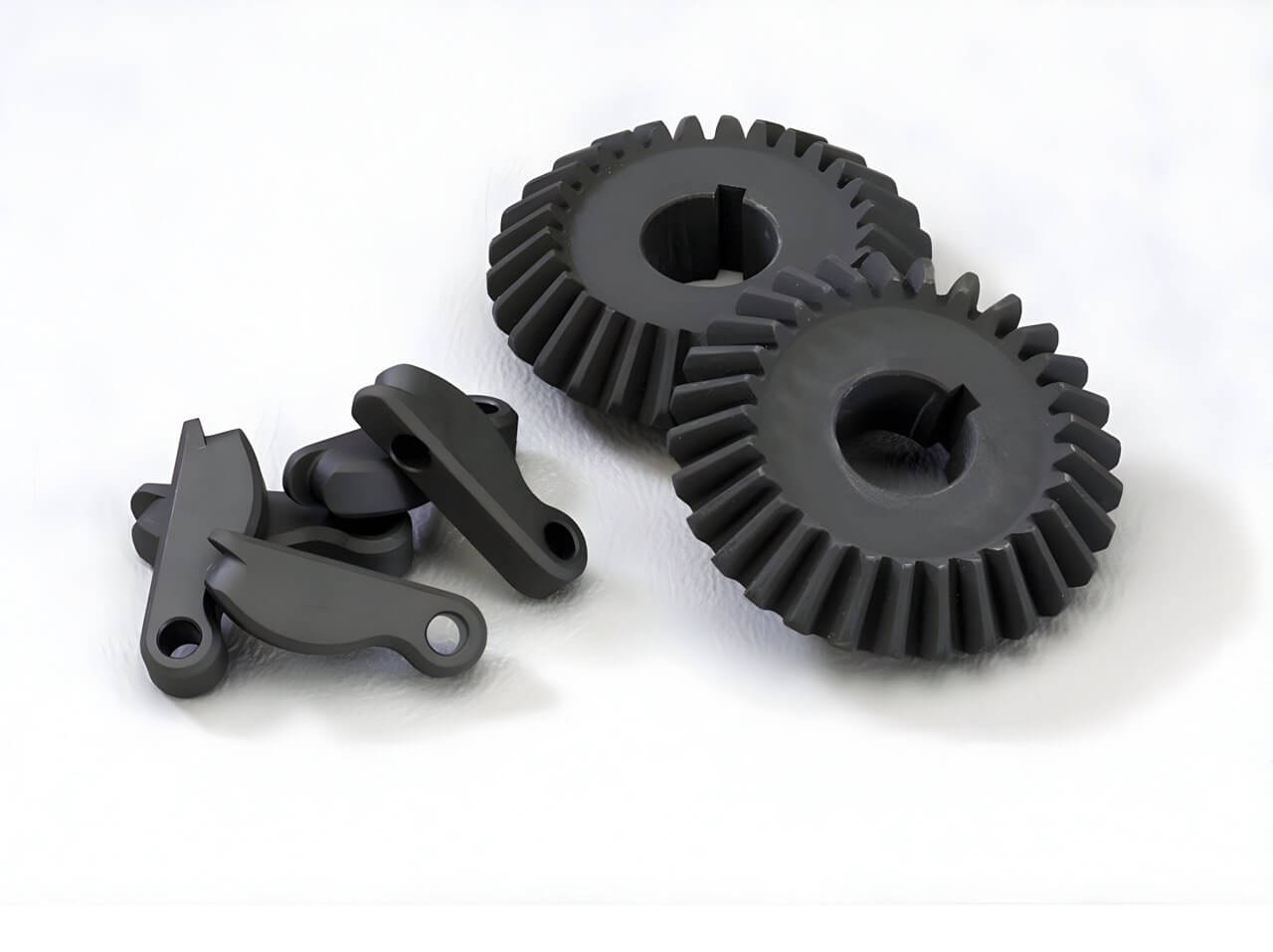
- 1. Appearance: Manganese phosphate coatings are typically dark gray to black. The final color depends on the type of metal, the initial surface color, and subsequent oiling.
- 2. High Hardness: Among phosphate coatings, manganese phosphate has the highest hardness, which increases wear resistance.
- 3. Crystalline Structure: Manganese phosphate coatings have a porous crystalline structure capable of absorbing and retaining oils and lubricants.
- 4. Coating Thickness: The thickness of manganese phosphate coatings is typically between 5 and 20 microns, which is greater than that of zinc phosphate coatings.
- 5. Corrosion Resistance: Manganese phosphate coatings provide good corrosion resistance, particularly when combined with oils or rust-preventive protectants.
- 6. Anti-Galling Properties: This coating prevents adhesion and cold welding between contacting metal surfaces.
Applications of Manganese Phosphate Coatings in Various Industries
Due to its unique properties, manganese phosphating has a wide range of applications across various industries:
- Automotive Industry
- Transmission and gearbox components
- Engine components
- Brake and clutch system components
- Coil and leaf springs
- Crankshafts and camshafts
- Pistons for large diesel engines
- Toolmaking Industry
- Drills and cutting tools
- Dies
- Drilling equipment
- Industrial Fasteners and Components
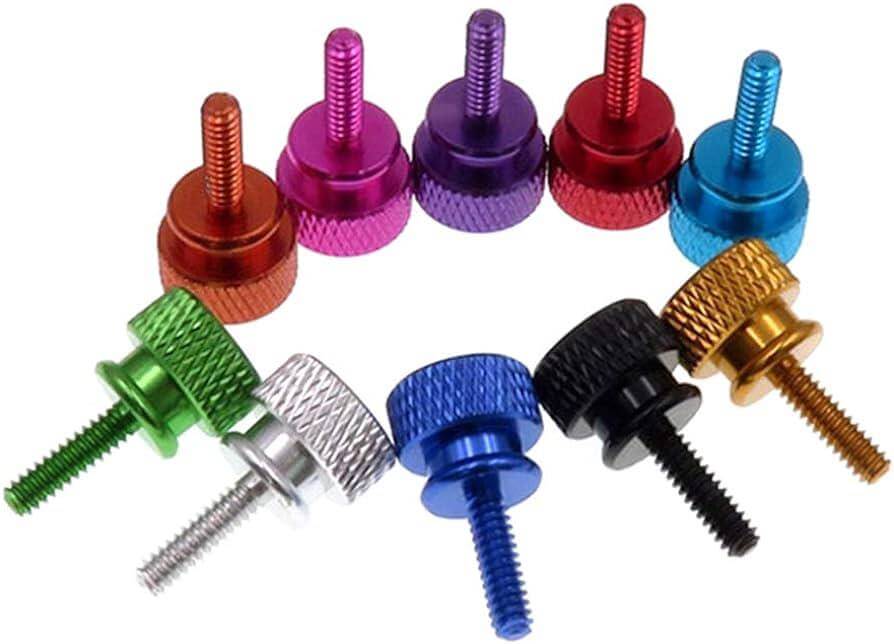
- Bolts and nuts
- Bushings and bearings
- Washers
- Threaded connections
- Military and Defense Equipment
- Weapon components
- Ammunition
- Armored equipment
- Heavy Industries
- Refrigerator compressor components
- Oil pumps
- Hydraulic equipment
Benefits of Using Manganese Phosphate Coatings
- 1. Extended Component Life: By reducing friction and wear, the service life of components is increased.
- 2. Corrosion Protection: Manganese phosphate coatings create a protective layer against corrosive agents.
- 3. Improved Lubrication: The porous structure of the coating can absorb and retain oils, improving lubrication.
- 4. Reduced Friction: Manganese phosphate coatings create a uniform surface and reduce roughness, thereby decreasing friction between contacting surfaces.
- 5. Impact Resistance: Manganese phosphate coatings provide good resistance to impact.
- 6. Pre-Treatment for Painting: This coating can be used as an underlying layer for painting and can improve paint adhesion.
- 7. Cost-Effectiveness: Compared with other surface protection methods, manganese phosphating is a cost-effective method.
Recent Developments in Manganese Phosphating Technology
In recent years, extensive research has been conducted to improve the properties of manganese phosphate coatings:
- 1. Modified Manganese Phosphating: The addition of elements such as nickel, zinc, strontium, barium, and calcium to the phosphating bath has improved coating properties.
- Reduction of Process Temperature: Efforts have been made to reduce the process temperature to approximately 70°C, which reduces energy consumption and prevents hydrogen buildup.
- 3. New Activators: The use of more effective activators to produce coatings with finer and more homogeneous crystals.
- 4. Environmentally Friendly Processes: Development of manganese phosphating processes with fewer pollutants and greater environmental compatibility.
Conclusion
Manganese phosphate coating is an effective and reliable method for protecting metal surfaces against corrosion, wear, and adhesion. With its unique properties, this coating has a wide range of applications in industries including automotive, toolmaking, military, and industrial component manufacturing.
With recent advances in manganese phosphating technology, this coating will continue to remain one of the most important surface protection methods in industry. FYP provides high-quality manganese phosphating coating services and is ready to meet the industrial needs of its customers.


No comment for this post.