

ABS Cleaner: A Specialized Solution for the Safe Cleaning of Household Appliances
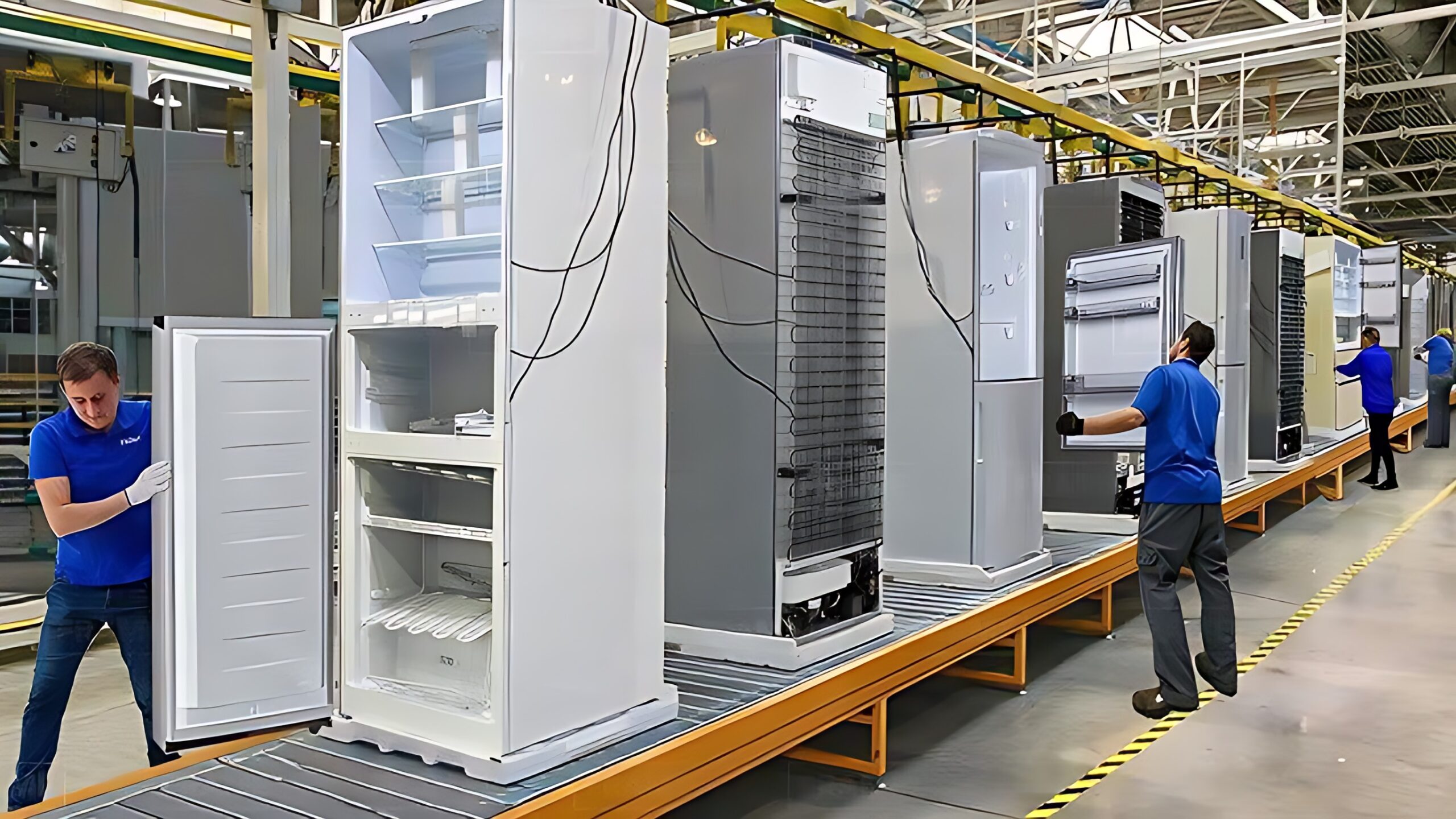
In the modern world, the design and visual quality of household appliances play an important role in the user experience. Many of these appliances contain components made from engineered plastics, particularly ABS. What is often overlooked, however, is the type of cleaner used to clean these surfaces. Over time, using non-specialized cleaners can cause dulling, scratching, and reduced durability of household appliance surfaces. This is where ABS Cleaner comes in: a product specifically designed to protect this material.
What Is ABS and Why Is It Important?
ABS, or Acrylonitrile Butadiene Styrene, is a thermoplastic polymer with unique mechanical and aesthetic properties:
- High mechanical strength
- Glossy and uniform appearance
- Resistance to impact and thermal deformation
- Resistance to mild chemicals
These properties have made ABS one of the most common materials used in household appliance housings, automotive interior components, medical equipment, and industrial tools.
However, one aspect that is often overlooked is the sensitivity of ABS to strong or unsuitable cleaning agents.
Why Is a Specialized Cleaner Necessary for ABS?
Many general-purpose cleaners contain alkaline or acidic compounds or organic solvents that can gradually damage the ABS surface. Common forms of damage include:
- Loss of surface gloss
- Micro-cracking
- Chemical reactions and discoloration
- Surface roughening or dulling
In contrast, ABS Cleaner is a specialized product with a carefully controlled formulation designed to provide the following:
Controlled and Neutral pH
The cleaner is formulated within a range that does not react adversely with the ABS polymer.
Free from Harmful Solvents
It contains no acetone-, alcohol-, or ammonia-based compounds.
Effective Removal of Grease, Fingerprints, and Dust Without Abrasion
ABS Cleaner
Applications of ABS Cleaner in Industry
(Industrial Cleaning Products)
A. Household Appliances
Refrigerator housings, washing machine doors, microwave control panels, vacuum cleaners, and even touch-sensitive buttons.
B. Automotive Industry
Dashboards, steering wheel covers, control switches, and interior trim components.
C. Medical Equipment
Many hospital devices are made from ABS and require safe and specialized cleaning.
Also read:
Advantages of Zinc Phosphate Coatings and Their Industrial Applications
Industrial Paint Strippers for Removing Paint from Metal Components
Key Benefits of ABS Cleaner
| Feature | Description |
|---|---|
| Non-corrosive | Helps keep plastic surfaces resistant to degradation or damage |
| Anti-static | Helps prevent the re-attraction of dust |
| Leaves No Streaks or White Haze | Leaves no visible residue after drying |
| Compatible with Microfiber Cloths or Spray Application | Flexible for different cleaning methods |
| Environmentally and Skin Friendly | Designed for everyday use without causing irritation |
How to Use ABS Cleaner
- Remove initial dust and loose particles from the surface.
- Apply an appropriate amount of ABS Cleaner to a soft cloth or spray it directly onto the surface.
- Gently wipe the surface and allow it to air-dry.
- If necessary, finish with a dry microfiber cloth.
[ABS Resin’s Features: Material Introduction]
Conclusion
In an era focused on quality, using specialized products is not merely a choice; it is a necessity.
ABS Cleaner is not just a cleaning product; it is a guarantee for preserving the appearance, durability, and value of your household appliances.
By choosing a specialized ABS Cleaner, you are actually protecting a material upon which modern industrial design is built.

No comment for this post.